Ask Real Estate - Why Do Buyers Still Choose Irvine Even When Other Orange County Cities Are Cheaper?
Why Do Buyers Still Choose Irvine Even When Other Orange County Cities Are Cheaper?
Why Do Buyers Still Choose Irvine Even When Other Orange County Cities Are Cheaper?
Email: myhome@zengrealestate.com
One question comes up frequently when buyers start exploring the Orange County housing market.
After looking at several cities and comparing prices, they often ask:
“If homes in other cities are cheaper, why do so many buyers still choose Irvine?”
At first glance, the question makes sense. Cities such as Anaheim or Lake Forest can sometimes offer larger homes or lower entry prices compared with Irvine.
Yet year after year, Irvine continues to attract strong demand from families, professionals, and international buyers.
To understand why, it helps to look beyond short-term housing prices and consider the deeper structural factors that shape Irvine’s long-term appeal.
A master-planned city designed for long-term livability
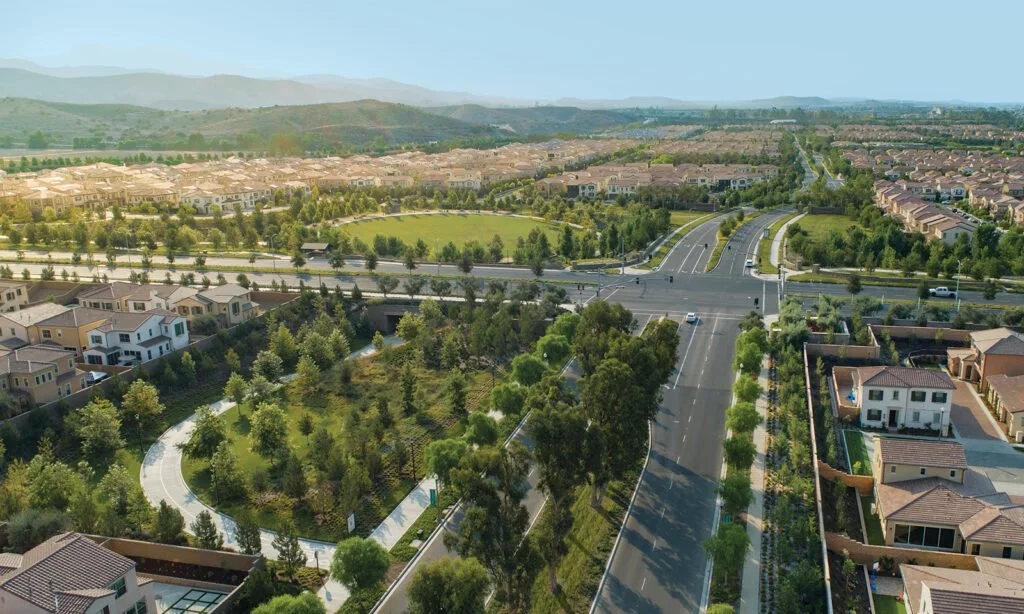
One of the most distinctive characteristics of Irvine is that it was developed as a master-planned city.
Unlike many cities that evolved gradually over decades, Irvine’s neighborhoods, roads, parks, and commercial areas were intentionally designed as part of a coordinated urban plan.
This approach produces several visible benefits:
residential neighborhoods separated from heavy commercial traffic
extensive park systems and greenbelts
consistent neighborhood design standards
well-connected road networks
For many buyers, this structured layout creates a sense of order and predictability that is difficult to find in cities that developed more organically.
As a result, Irvine often feels carefully organized rather than randomly built, which contributes to its long-term residential appeal.
That matters more than it may first appear. Buyers are not just purchasing square footage. They are buying into a day-to-day living environment. A city that feels orderly, intentional, and well-maintained often inspires more confidence—especially among buyers making one of the largest financial decisions of their lives.

Schools and education remain a powerful draw
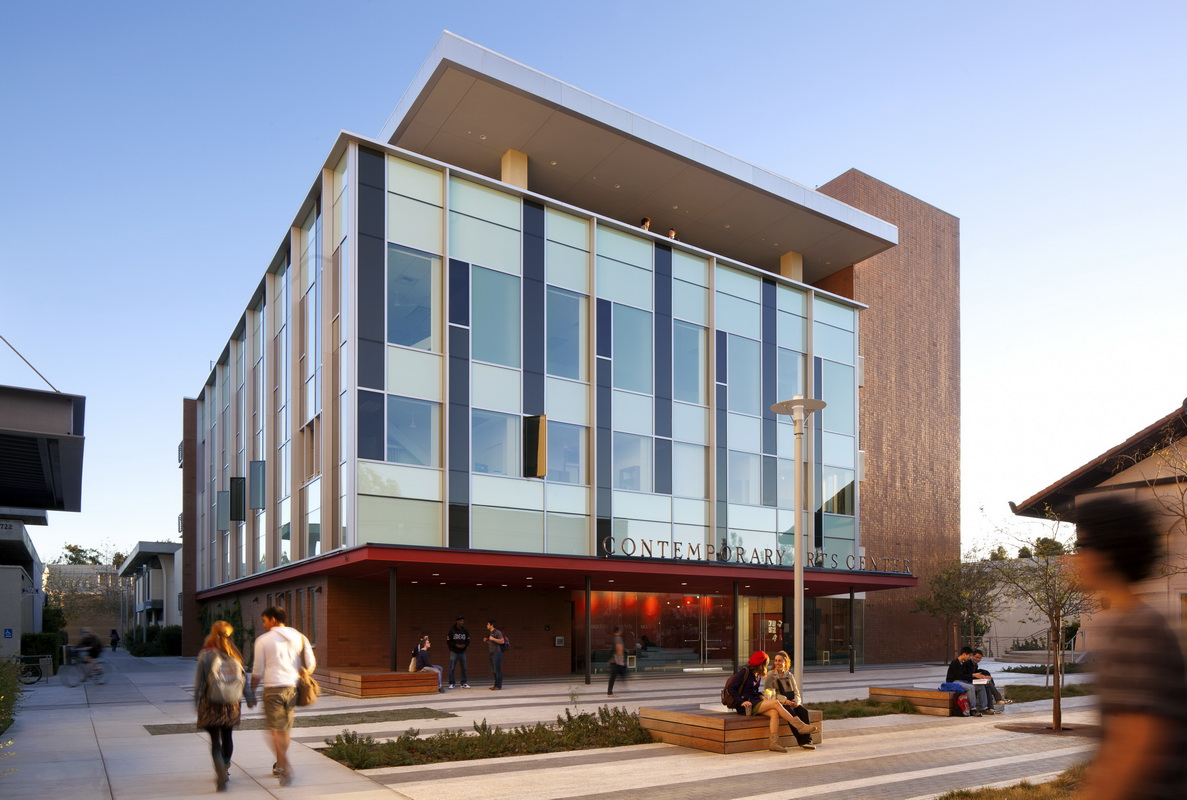
Education is one of the most commonly cited reasons buyers choose Irvine.
The Irvine Unified School District is widely recognized for strong academic performance, and that reputation shapes buyer behavior in a meaningful way.
For families with children, the value is direct. Access to highly regarded public schools can reduce the need to rely on private school options, influence where a family wants to settle, and provide a sense of long-term stability.
For buyers without school-age children, schools still matter because they influence future resale demand.
In many housing markets, school quality is one of the factors that helps sustain demand across different market cycles. In Irvine, that effect is especially visible. Buyers may differ in lifestyle preferences, community type, or housing budget, but many still place a premium on access to a strong education ecosystem.
That creates a deeper base of demand than price alone can explain.
Proximity to employment centers supports buyer demand
Housing demand is closely tied to jobs.
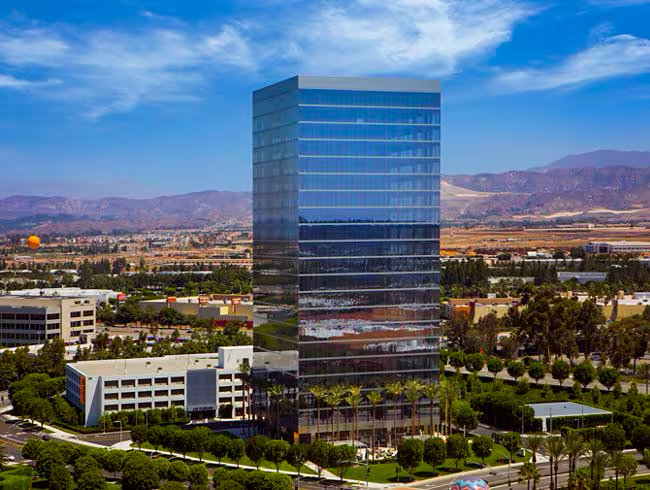
Irvine is not simply a residential city with attractive neighborhoods. It is also a significant employment center within Orange County and Southern California more broadly.
The city and its surrounding area include major activity in:
technology and semiconductor industries
healthcare and medical services
education and research
finance, legal, and professional services
Organizations such as University of California, Irvine also contribute to the region’s academic and innovation ecosystem.
When buyers evaluate where to live, commute time and employment access matter. A city that offers easier access to work opportunities tends to attract sustained buyer interest, particularly among professionals and families planning for long-term stability.
This helps explain why Irvine often remains desirable even when nearby cities offer lower home prices.
A lower purchase price can be attractive, but if a city’s location results in longer commutes, less job access, or less flexibility over time, many buyers still decide Irvine offers the stronger overall value.
A strong network of parks, trails, and public spaces
Irvine’s built environment is not shaped only by homes and roads. It is also shaped by how public space is integrated into daily life.
The city’s network of parks, walking trails, bike paths, and open spaces is extensive and intentionally woven into residential communities. These amenities are not isolated destinations. They are part of the fabric of many neighborhoods.
This influences how residents experience the city:
children have easier access to parks and recreational areas
households can use trails and green space as part of everyday life
communities often feel less congested, even in higher-density areas
For buyers, this contributes to a quality-of-life equation that is difficult to measure only through price-per-square-foot comparisons.
A home in a city with thoughtful public infrastructure can feel more livable over time than a less expensive home in a city with fewer integrated amenities.
That difference is often one of the reasons buyers return to Irvine after comparing multiple cities.
Irvine benefits from broad and diverse demand
Another reason Irvine continues attracting buyers is that demand comes from multiple sources at once.
Some cities are heavily dependent on one type of buyer. Irvine tends to appeal to a broader range of households, including:
local move-up buyers
families relocating within Orange County
out-of-area professionals moving for work
international buyers seeking education and stability
long-term investors focused on demand durability
This diversity matters because it gives the market more resilience.
When demand is broad-based, the city is less dependent on a single buyer segment or one narrow economic condition. Different groups may enter or pause at different times, but the overall pool of interest tends to remain strong.
That does not mean Irvine is immune to market cycles. But it does help explain why demand often holds up better than in places where the buyer base is narrower.
The housing stock aligns with modern buyer expectations
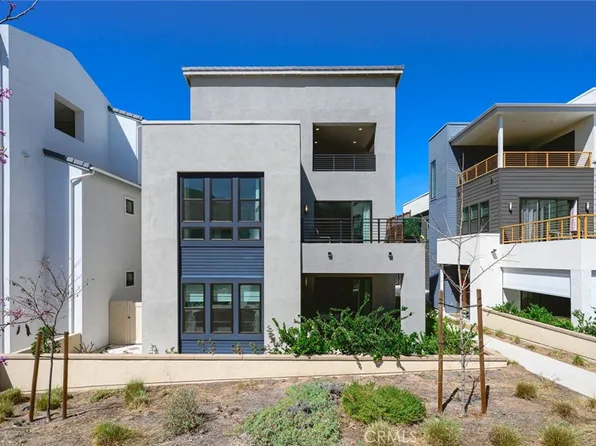
Compared with some older Orange County cities, Irvine offers a larger share of homes that feel relatively modern in layout, infrastructure, and community planning.
This matters to many buyers.
Even when comparing similar square footage, buyers often respond strongly to features such as:
open floor plans
newer kitchens and bathrooms
attached garages
energy-efficient construction
community amenities integrated into neighborhood design
In newer or more recently updated communities, the housing product often aligns more closely with what today’s buyers expect.
This does not mean older homes in other cities lack value. Many buyers specifically seek character, larger lots, or mature landscaping. But for households prioritizing newer housing, Irvine’s product mix can be especially appealing.
In that sense, buyers are not only choosing a city. They are choosing the style of housing and community framework that best fits their needs.
Perceived stability influences real demand
Housing decisions are not made on data alone. They are also shaped by perception.
Irvine is widely perceived as:
organized
safe
academically strong
well-maintained
stable over the long term
Whether every buyer would describe the city in exactly those terms is less important than the fact that many buyers do perceive it that way.
Perceived stability matters because it affects confidence.
When buyers feel that a city offers a stable long-term environment, they may be more willing to stretch financially or accept a higher entry price. They are not necessarily buying because it is the cheapest option. They are buying because they believe the city will continue to attract demand and support value over time.
This confidence becomes part of the market itself.
Irvine offers a “housing ladder” within the same city
Another subtle but important strength of Irvine is that people can often remain in the same city as their needs change.
Within Irvine, buyers can move through different housing stages:
start in a condo or townhome
move into a larger single-family home
transition into different neighborhoods based on schools, commute, or lifestyle priorities
Because the city offers a variety of housing options, residents do not necessarily need to leave Irvine when their circumstances change.
That creates an internal housing ladder.
This matters because it keeps demand within the city. Instead of losing households to another location every time their housing needs evolve, Irvine can often continue to serve them.
Over time, this contributes to sustained buyer interest and reinforces the city’s long-term housing appeal.
“Cheaper” and “better value” are not the same thing
A lower price does not always mean a better long-term fit.
This is where many buyers pause and reconsider their first assumptions.
Cities like Anaheim, Lake Forest, or Tustin may offer lower entry prices in certain segments. Depending on the buyer, that can absolutely make them the better choice. But lower cost alone does not answer the larger question:
What kind of value is the buyer actually looking for?
For some buyers, value means:
minimizing upfront purchase price
getting more square footage
maximizing short-term affordability
For others, value means:
access to strong schools
ease of daily living
confidence in long-term demand
a city environment that feels stable and predictable
When buyers choose Irvine despite higher prices, it is often because they define value in this second way.
They are not ignoring cost. They are weighing cost against a broader set of long-term priorities.
What this means for buyers considering multiple Orange County cities
If you are comparing Irvine with other Orange County cities, the most useful question is not:
“Which city is cheaper?”
It is:
“Which city best matches my priorities over the next 5–10 years?”
That shift changes the conversation.
Instead of comparing only home prices, buyers start comparing:
daily commute patterns
school considerations
community structure
housing style preferences
long-term comfort with the location
For some households, the answer will still be Irvine.
For others, another city may be the stronger fit.
The point is not that Irvine is always “worth it.” The point is that Irvine’s appeal becomes easier to understand when viewed through long-term structural factors rather than short-term price alone.
Final thoughts
Irvine does not attract buyers simply because it is popular.
It attracts buyers because it combines a set of characteristics that many households continue to value over time: coordinated planning, employment access, schools, quality-of-life infrastructure, and broad-based demand.
That combination helps explain why Irvine remains desirable even when nearby cities offer lower prices.
Price matters. But in real estate, long-term appeal is rarely explained by price alone.
For many buyers, Irvine represents not just a place to buy a home, but a place where the broader living environment feels aligned with their long-term goals.
That is why—even when other Orange County cities are cheaper—Irvine still attracts buyers.
Phone: (714) 902-3135
Email: myhome@zengrealestate.com