Ask Real Estate - How Much Is My Orange County Home Worth?
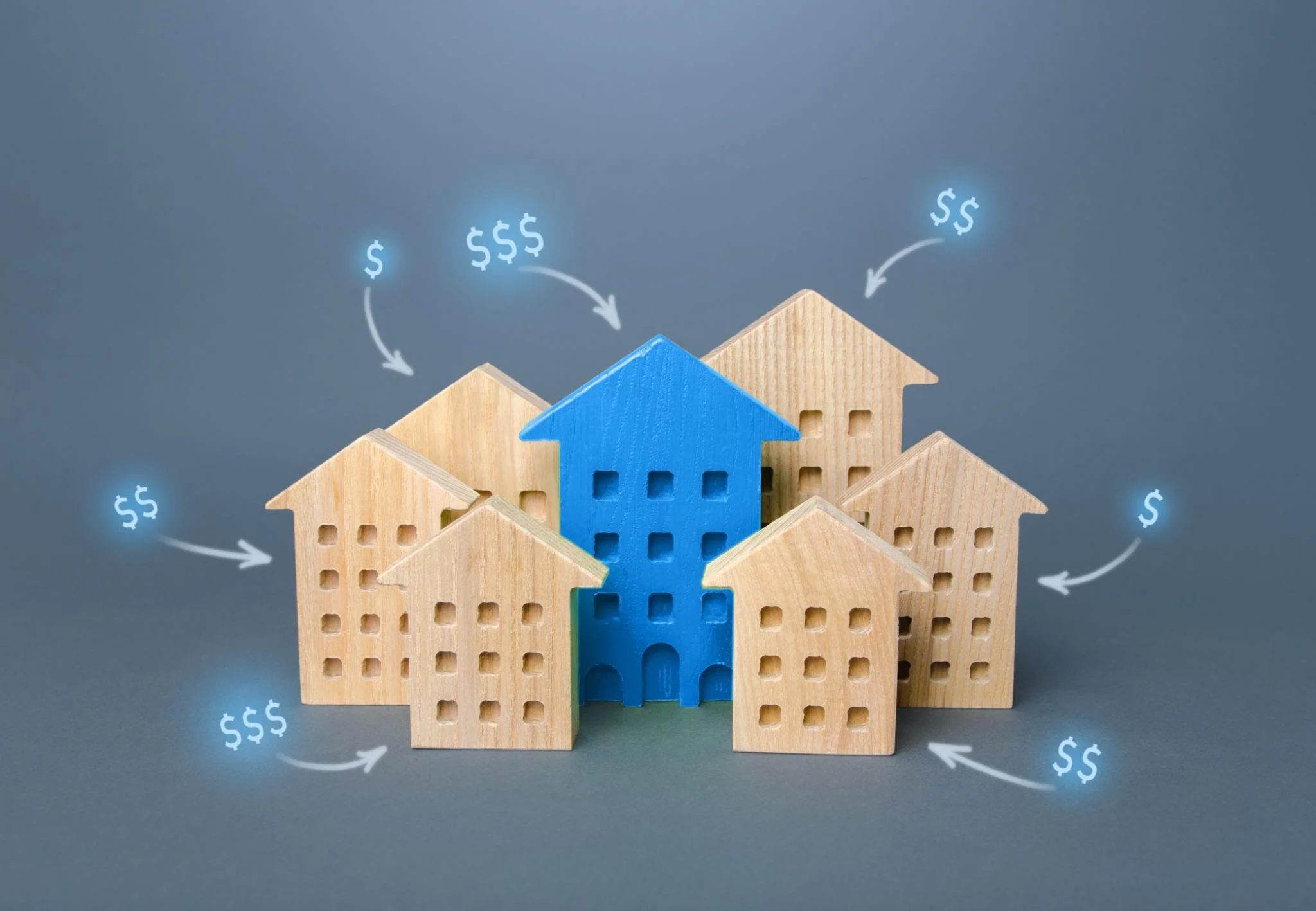
How Much Is My Orange County Home Worth?
Why an Algorithm Is Only the Starting Point in 2026
Email: myhome@zengrealestate.com
Updated April 2026
A homeowner recently reached out to me with a simple question.
She said,
"I checked Zillow, and it says my home is worth around $1.85 million. Does that sound right?"
On the surface, it’s a straightforward question. And today, it’s a very common one.
With a few clicks, homeowners can get an instant estimate from platforms like Zillow, Redfin, or Realtor.com. These numbers feel precise. They look data-driven. And in many cases, they’re surprisingly close.
But as we started talking, something became clear.
She wasn’t really asking for a number.
She was asking:
“If I decide to sell, what will actually happen?”
Because the number on a website and the result in the market are not the same thing.
In 2026, that distinction matters more than ever.
The Rise of Instant Home Value Estimates
Over the past decade, real estate data has become more accessible than ever.
Automated valuation models (AVMs) pull from:
recent comparable sales
public records
square footage and lot size
basic property characteristics
These systems are designed to answer one question:
“Based on past data, what is this home likely worth?”
And to be fair, they do that reasonably well — especially in areas with consistent housing patterns, like parts of Orange County.
But there’s an important limitation.
They are built to estimate value based on the past.
They are not designed to optimize outcomes in the present.

What Algorithms Do Well
Let’s start with what these tools get right.
1. Baseline Pricing
Algorithms are good at establishing a general range.
If similar homes in your neighborhood have sold between $1.7M and $1.9M, an estimate of $1.85M may be reasonable as a starting point.
2. Data Consistency
They apply the same logic across all properties, which removes human bias.
That consistency can be useful — especially for quick reference.
3. Speed and Convenience
Within seconds, you get an answer.
No appointments, no conversations, no preparation.
But this is where most homeowners stop.
And this is where the real gap begins.
What Algorithms Don’t See
The issue is not that these estimates are “wrong.”
It’s that they are incomplete.
Because real estate value is not just a function of data — it’s a function of context, presentation, and timing.
1. Micro-Location Differences
Two homes can be:
the same model
the same square footage
the same price range
And still perform very differently.
Why?
Because algorithms don’t fully capture:
street positioning (inside vs. near traffic)
privacy and orientation
proximity to desirable features (parks, schools, views)
In Orange County, especially in cities like Irvine, these subtle differences can translate into tens or even hundreds of thousands of dollars.
2. Condition and Upgrades
Algorithms assume a “typical” condition.
They don’t truly understand:
whether your home has been fully renovated
the quality of materials used
the level of maintenance
the overall presentation
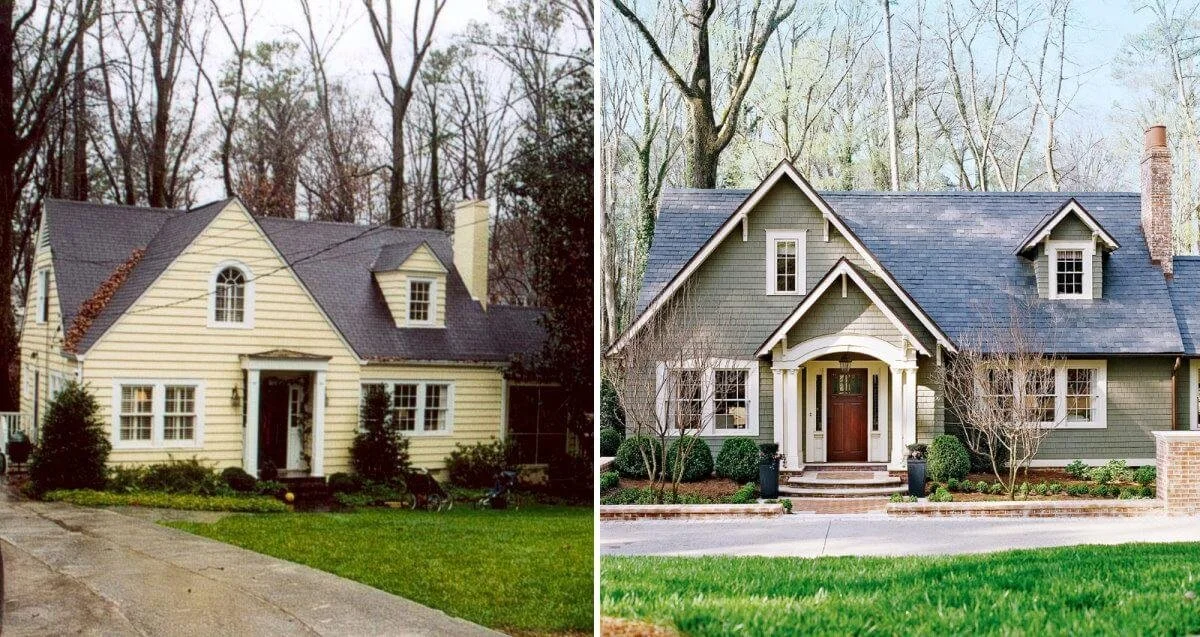
A well-prepared home doesn’t just sell for “market value.”
It often redefines the range.

3. Buyer Psychology
This is one of the most overlooked factors.
Buyers don’t make decisions purely based on data. They respond to:
how a home feels
how it compares to other listings
how scarce the opportunity appears
An algorithm cannot measure:
emotional response
perceived value
urgency
But these factors often determine:
👉 whether your home sells quickly
👉 whether you receive multiple offers
👉 whether you achieve a premium price

4. Market Timing
Even small shifts in timing can affect outcomes.
For example:
launching when inventory is low vs. rising
listing during strong buyer activity vs. hesitation
positioning during interest rate changes
In your recent market snapshot, we’re already seeing:
inventory increasing in some cities
buyer demand still holding in well-priced homes
This creates a more nuanced environment.
An algorithm cannot adjust for real-time market behavior.
The Real Question: Value vs. Outcome
Most homeowners ask:
“What is my home worth?”
But the more useful question is:
👉 “How can I position my home to achieve the best result?”
Because value is not fixed.
It exists within a range — and where your home lands in that range depends on strategy.
From Estimation to Strategy
This is where the difference becomes meaningful.
An algorithm gives you a number.
A strategy defines your outcome.

1. Pricing as Positioning
Pricing is not just about accuracy.
It’s about:
attracting the right buyers
creating momentum
generating competition
A home priced at $1.85M could:
sit on the market
or sell above $1.9M
depending on how it is positioned.
2. Preparation and Presentation
In today’s market, preparation is no longer optional.
This includes:
condition improvements
staging
professional photography
strategic marketing
Well-prepared homes don’t just look better —
they change buyer perception of value.
3. Exposure and Narrative
How your home is introduced to the market matters.
Not all exposure is equal.
A strong launch creates:
visibility
urgency
competition
This is where many listings underperform — not because of the home, but because of the strategy behind it.
Why This Matters More in 2026
In a rapidly rising market, pricing mistakes can be masked.
But in a more balanced or shifting environment:
👉 precision matters more
From the recent data:
inventory is increasing in several OC cities
buyers still act on well-positioned homes
but they are becoming more selective
This creates a clear separation:
homes that are strategically positioned
and homes that are simply listed
A Better Way to Think About Your Home’s Value
Instead of relying on a single number, consider this framework:
Step 1: Establish the Range
(what algorithms do well)
Step 2: Identify Your Position Within That Range
(based on condition, location, and competition)
Step 3: Design a Strategy to Maximize the Outcome
(pricing, preparation, exposure, negotiation)
Final Thoughts
Online estimates have changed how homeowners think about value.
And they’ve made information more accessible — which is a good thing.
But they’ve also created a common misunderstanding:
👉 that value is a fixed number.
In reality:
Value is a range.
Strategy determines where you land.
If you’re thinking about selling and want to understand not just your home’s estimated value — but how to position it for the best possible result — I’d be happy to walk you through a more detailed analysis.
Know the home. Elevate the value.
Phone: (714) 902-3135
Email: myhome@zengrealestate.com