Ask Real Estate - What Today’s Buyers Actually Search For
What Today’s Buyers Actually Search For
Email: myhome@zengrealestate.com
In today’s housing market, many decisions happen before a showing is ever scheduled.
Buyers filter, scan, and compare listings based on search behavior — often within seconds.
This article looks at how buyer search patterns are changing, which home features are appearing more frequently in listing descriptions, and what these trends mean in Orange County.
The goal isn’t to predict the market, but to understand how relevance now shapes attention, perception, and decision-making.
**This analysis is intended to offer context and perspective, not general market advice.
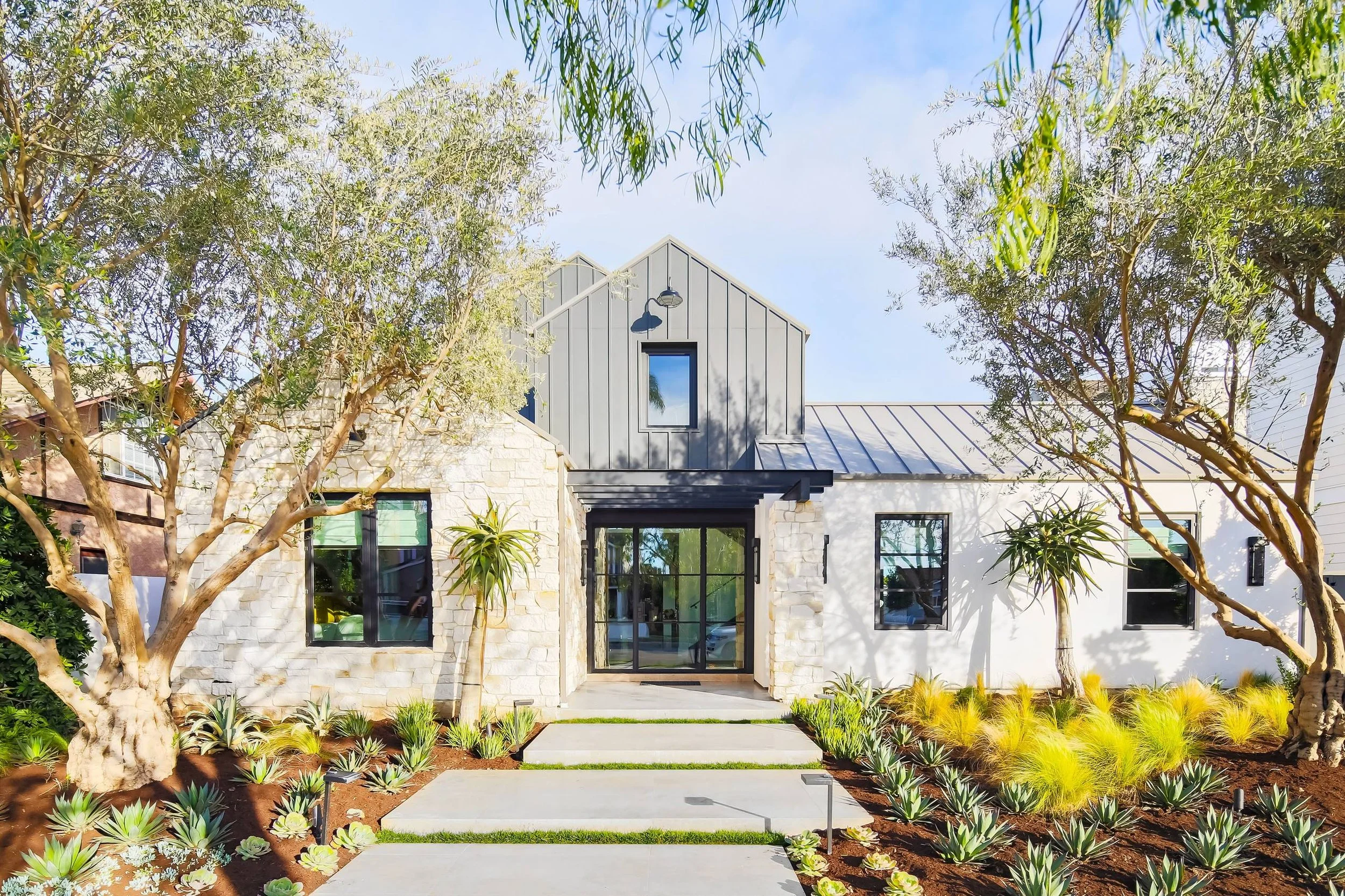
In early spring, a homeowner in Irvine prepared to list a well-maintained property. The home checked many traditional boxes: a good school district, a functional floor plan, and tasteful finishes. Yet after the first two weeks on the market, showings were lighter than expected.
When the listing description was reviewed more closely, nothing was wrong — but something was missing. The language focused on square footage and room count, while the features buyers were actively filtering and searching for were barely mentioned. After a strategic revision to the listing description — highlighting energy efficiency, indoor-outdoor flow, and flexible living space — buyer engagement increased noticeably within days.
This experience reflects a broader shift in today’s housing market: what buyers search for, and how listings describe homes, now matters as much as the home itself.
This article examines the fastest-growing home trends appearing in listing descriptions, why they are gaining traction, and how they align with buyer behavior in Orange County.
Why Listing Descriptions Matter More Than Ever
Most buyers begin their home search online. Before a showing is scheduled, a property is evaluated through filters, keywords, and listing language. In practice, buyers are not reading listings casually — they are screening them.
Today’s listing descriptions serve three simultaneous functions:
Search visibility (matching buyer filters and keywords)
Value framing (helping buyers understand why a home is priced the way it is)
Lifestyle signaling (answering “Can I see myself living here?”)
As competition for attention increases, listings that align with buyer search behavior consistently outperform those that rely on generic descriptions.
The Shift From “Features” to “Function”
A decade ago, listing descriptions emphasized tangible features: granite countertops, stainless steel appliances, square footage. While these details still matter, buyer behavior indicates a clear evolution:
Buyers now search for how a home lives, not just what it contains.
This shift is reflected in the fastest-growing terms and phrases appearing in listing descriptions across Southern California, particularly in higher-income, lifestyle-driven markets like Orange County.
Fastest-Growing Listing Trends Buyers Are Actively Searching For
1. Energy Efficiency and Sustainability
Energy-related terms have seen some of the strongest growth in listing descriptions.
Commonly searched and referenced features include:
Solar panels (owned vs. leased clearly specified)
Energy-efficient windows and insulation
Tankless water heaters
High-efficiency HVAC systems
EV-ready or EV-charger-installed garages
Why this trend is growing:
Buyers are factoring long-term operating costs into purchase decisions. Rising utility costs, increased environmental awareness, and the normalization of EV ownership have all contributed.
What this means for sellers:
Energy efficiency is no longer a “nice bonus.” It is increasingly perceived as part of a home’s baseline value. Listings that clearly explain these features tend to attract more informed, serious buyers.
2. Indoor-Outdoor Living
Terms related to indoor-outdoor flow have grown rapidly in listing language:
Bi-fold or sliding glass doors
Covered patios and outdoor living rooms
Seamless transitions between kitchen, dining, and outdoor spaces
Landscaped yards designed for entertaining, not just aesthetics
Why this resonates in Orange County:
Climate plays a major role. Buyers expect to use outdoor space year-round, and they increasingly value homes that treat outdoor areas as functional extensions of interior living.
Analytical insight:
Homes that successfully present outdoor space as “usable square footage” — rather than just lot size — often achieve stronger engagement, even when interior square footage is comparable to competing listings.

3. Flexible Living Spaces
The language around space usage has evolved significantly.
Instead of rigid labels, listings increasingly highlight:
Flexible floor plans
Multi-purpose rooms
Home offices or work-from-home setups
Guest suites or multigenerational living options
Why this trend persists:
Buyers want adaptability. Households are planning for changing needs — remote work, aging parents, growing families — and value homes that can evolve without major renovations.
What buyers search for:
Not just “extra rooms,” but versatility.
4. Wellness-Oriented Features
Wellness has moved from a niche concept to a mainstream consideration.
Fast-growing listing terms include:
Natural light and large windows
Air and water filtration systems
Quiet interiors or sound-insulated construction
Spa-like bathrooms
Low-VOC materials and finishes
Why this matters:
Buyers increasingly connect home quality with personal well-being. Quiet, light-filled, and healthy environments are perceived as long-term lifestyle investments.
5. Smart-Home Infrastructure (Not Gadgets)
Smart-home mentions have evolved from novelty to infrastructure.
Buyers respond more strongly to:
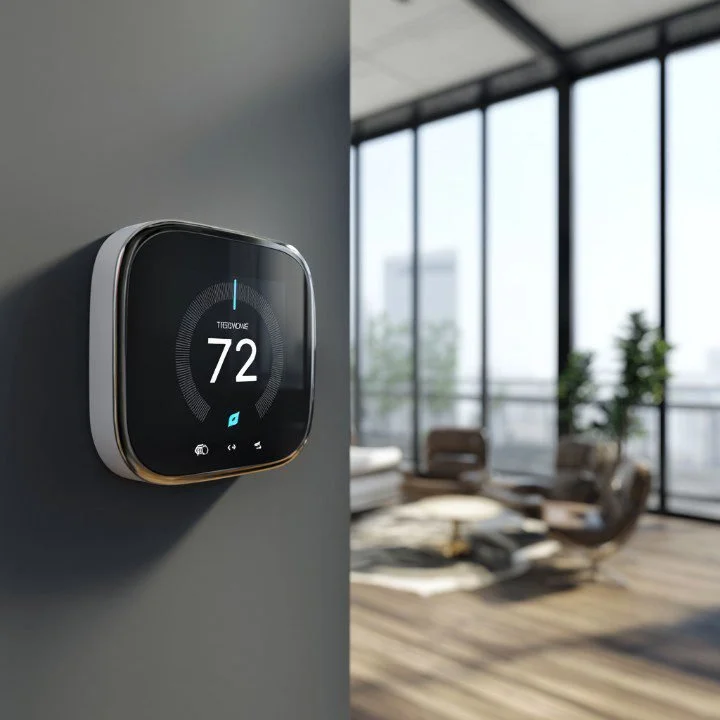
Integrated smart lighting and climate control
Whole-home wiring or network readiness
Security and access systems
Automation that improves daily convenience
Key distinction:
Buyers are less interested in individual gadgets and more interested in whether a home is future-ready.
Listings that frame smart features as part of the home’s long-term usability perform better than those that simply list brand names.
Why These Trends Align With Buyer Search Behavior
Modern home searches are driven by filters and keywords. Buyers often pre-select criteria such as:
EV charging
Home office
Outdoor space
Energy efficiency
If a listing description does not clearly reference these features — even if the home has them — it may never surface in a buyer’s short list.
This creates a critical insight:
Homes are no longer just compared by price and size, but by relevance to how buyers intend to live.
What This Means for Sellers in Orange County
1. Listing Language Is a Strategic Tool
Effective listing descriptions do not exaggerate or oversell. Instead, they translate features into buyer-relevant value.
For example:
Instead of “large backyard,” describe how the space functions.
Instead of “updated kitchen,” explain how it supports everyday living and entertaining.
Instead of listing upgrades, explain why they matter.
2. Not Every Trend Requires an Upgrade
Importantly, sellers do not need to chase every trend through renovation.
Often, the most effective change is how existing features are presented:
Clarifying energy features already in place
Reframing underutilized spaces
Highlighting flexibility buyers may not immediately see
3. Buyer Perception Drives Pricing Power
Homes that align with current search behavior tend to:
Attract more qualified buyers
Spend less time on market
Face fewer price objections during negotiation
This does not mean pricing above market — it means reducing friction in buyer decision-making.
What Buyers Should Take From These Trends
For buyers, understanding listing trends offers two advantages:
Sharper filtering: Recognizing which features truly matter to long-term livability helps avoid distraction by surface-level upgrades.
Better value assessment: Understanding why certain homes command premiums allows buyers to evaluate whether those premiums align with their own priorities.
A Broader Perspective: Trends Reflect Values
Ultimately, listing trends are not arbitrary. They reflect broader changes in how people think about homes:
From consumption to sustainability
From static layouts to adaptable living
From aesthetics to long-term function
These are not short-term fads. They are structural shifts in buyer behavior — particularly pronounced in markets like Orange County.
Final Thoughts
The most effective listings today do more than describe a property. They anticipate how buyers search, think, and decide.
For sellers, aligning listing language with buyer search behavior can materially impact outcomes — often without additional investment.
For buyers, understanding these trends provides a clearer lens through which to evaluate value.
In a market where attention is scarce and decisions are increasingly deliberate, relevance has become a form of value.
If you’re curious how these trends apply to a specific home or search criteria, understanding the local context often matters more than national headlines.
Phone: (714) 902-3135
Email: myhome@zengrealestate.com