Ask Real Estate - Newer vs. Established Irvine Neighborhoods How Different Communities Respond to Market Shifts
Newer vs. Established Irvine Neighborhoods
How Different Communities Respond to Market Shifts
Email: myhome@zengrealestate.com
Two homes went on the market in Irvine within days of each other.
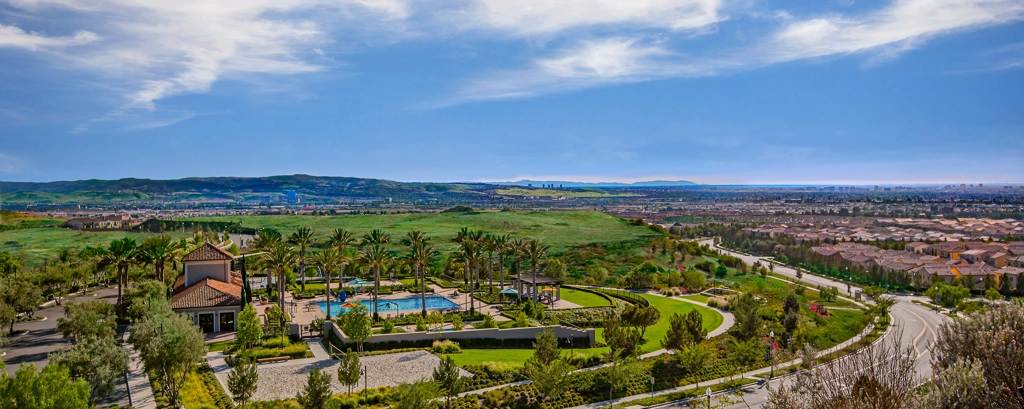
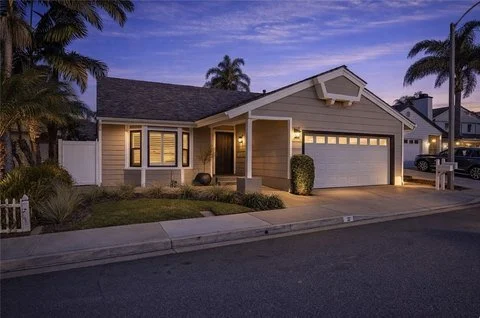
One was in a newer master-planned community—clean lines, modern kitchen, HOA amenities, recently built. The other sat in a mature neighborhood—tree-lined streets, larger lot, established landscaping, homes built decades earlier.
Both were priced appropriately.
Both had similar square footage.
Both were attractive in their own way.
Within a week, the newer home had steady traffic but measured offers. The established home saw fewer showings—but the buyers who came were highly focused and decisive.
Neither result was surprising.
What it revealed, once again, is that Irvine does not behave as one housing market. It behaves as a collection of communities that respond differently to the same economic signals.
Understanding those differences can help buyers interpret conditions more clearly—and help sellers position their homes more effectively.
Irvine Is One City — But Not One Market
In conversations about real estate, it’s common to hear phrases like:
“The Irvine market is slowing.”
“Irvine is still strong.”
“Inventory is rising in Irvine.”
These statements are not wrong. They’re incomplete.
Within Irvine, neighborhoods were developed in different decades, under different planning philosophies, and for different types of buyers. That diversity produces micro-markets.
Among the most meaningful distinctions is the difference between:
Newer master-planned communities
Established, mature neighborhoods
Neither is superior. But they often respond differently when conditions shift.
Development Era Shapes Market Behavior
Newer Master-Planned Communities
Examples include areas such as Portola Springs, Orchard Hills, and certain sections of the Great Park.
These neighborhoods typically share characteristics:
Homes built within a relatively short timeframe
Consistent architectural styles
HOA governance and amenities
Higher density compared to older Irvine neighborhoods
Greater comparability between homes
Because properties are similar, buyers can easily compare listings. When several homes enter the market at once, pricing adjustments can become visible more quickly.
This does not mean prices drop more dramatically. It means signals appear faster because inventory is synchronized.
If demand softens slightly, comparable listings make it immediately noticeable.
If demand strengthens, momentum can also build quickly.
In that sense, newer communities tend to reflect market shifts more visibly.
Established Neighborhoods
Communities such as Northwood, Turtle Rock, and University Park represent earlier phases of Irvine’s growth.
These neighborhoods often feature:
Greater variation in home styles
Larger or more irregular lots
Mature landscaping and established street character
Long-term homeowners
Lower turnover rates
Because listings are less homogeneous, direct comparisons are harder. Buyers targeting these neighborhoods often do so intentionally.
Supply tends to enter the market more gradually. When it does, pricing adjustments may appear slower—not because demand is immune, but because each property is more unique.
In slower market phases, established neighborhoods may appear steadier simply because turnover is lower and inventory is less clustered.
Inventory Synchronization vs. Scarcity
One of the key differences between newer and established areas lies in inventory synchronization.
In newer communities, multiple similar homes may be listed simultaneously. This clustering makes pricing highly transparent.
Buyers can see alternatives within the same street or model type. Sellers compete directly.
In established neighborhoods, inventory is often scarcer and less comparable. Buyers who prefer the character or layout of these areas may have fewer options.
As a result:
Newer areas can display quicker visible pricing responses.
Established areas may show slower but steadier movement.
This distinction is about visibility, not strength.
Buyer Profiles and Motivations
Another difference lies in who tends to buy in each type of neighborhood.
Newer Community Buyers
Often include:
Relocation buyers
Households prioritizing modern layouts
Buyers seeking amenities and uniformity
Families attracted to newer schools and facilities
These buyers may be comparing Irvine with other cities simultaneously. Their decision process can be analytical and wide-ranging.
When macro uncertainty rises, some may pause briefly while evaluating alternatives.
Established Neighborhood Buyers
Often include:
Households with specific attachment to the area
Buyers prioritizing lot size or mature landscaping
Families seeking long-standing community character
Move-up buyers already familiar with Irvine
These buyers may be less comparative and more targeted.
When inventory is limited, decisiveness can remain strong even in quieter cycles.
Sensitivity to Interest Rate Shifts
Interest rate changes tend to affect segments differently.
In entry-level and newer communities where buyers are more payment-sensitive, rate movements can influence timing.
Established neighborhoods with larger down payments or higher equity positions may see different sensitivity levels.
Again, the difference is not about stability versus volatility. It is about how quickly buyer behavior shifts.
Market Slowdowns: Visible vs. Gradual
During slower periods, newer communities may exhibit:
Increased days on market
More visible price adjustments
Higher comparability between listings
Established neighborhoods may exhibit:
Reduced turnover
Longer decision timelines but fewer direct comparisons
Subtle rather than dramatic pricing shifts
This can create the impression that one area is “stronger” than another.
In reality, both are responding—just at different speeds and through different mechanisms.
Competitive Dynamics
When inventory rises slightly in newer communities, buyers may feel less urgency because similar alternatives exist.
In established neighborhoods, where supply is inherently limited, urgency can remain more stable.
This dynamic often influences negotiation patterns.
In synchronized markets, negotiation signals appear clearly. In heterogeneous markets, negotiations are property-specific.
Understanding that distinction helps prevent overgeneralization.
What This Means for Buyers
For buyers, the key question is not:
“Which performs better?”
It is:
“How does this type of neighborhood behave when conditions change?”
If you prefer:
Newer layouts
HOA amenities
Modern finishes
Then understanding synchronized inventory dynamics will help you interpret pricing behavior calmly.
If you prefer:
Established trees
Larger lots
Architectural diversity
Then understanding turnover patterns and scarcity will help you set expectations realistically.
Both choices can be rational.
The difference lies in behavior patterns, not superiority.
What This Means for Sellers
Sellers in newer communities should recognize that pricing is highly transparent. Comparable listings directly shape buyer expectations.
Sellers in established neighborhoods should recognize that uniqueness can be both an advantage and a complexity. Accurate positioning matters more than citywide averages.
In both cases, micro-market awareness is more useful than macro commentary.
Visibility Does Not Equal Vulnerability
One of the most common misunderstandings is assuming that faster visible adjustments signal weakness.
In reality, synchronized inventory simply makes signals clearer.
Established neighborhoods may appear calmer because signals surface more gradually.
Neither model guarantees protection or exposure. They simply operate differently.
Long-Term Considerations
Over longer time horizons, both newer and established neighborhoods in Irvine have demonstrated resilience, driven by:
Employment centers
School systems
Planning consistency
Demand from both local and relocating buyers
Short-term behavior differences do not necessarily determine long-term trajectory.
A More Useful Perspective
Instead of asking:
“Are newer communities safer in slow markets?”
or
“Are established neighborhoods more stable?”
A more productive question is:
“How does this neighborhood type respond to shifts—and am I comfortable with that pattern?”
When buyers and sellers understand micro-market behavior, market phases become less confusing.
Final Thoughts
Irvine is not one housing market.
It is a collection of communities shaped by different eras, buyer motivations, and inventory structures.
Newer and established neighborhoods each have their own rhythm. When conditions shift, those rhythms become visible in different ways.
Clarity does not come from ranking them. It comes from understanding how they move.
For those navigating Irvine’s housing landscape, recognizing these differences can lead to calmer, more informed decisions.
Phone: (714) 902-3135
Email: myhome@zengrealestate.com